
Cladding Cost in egypt Material Prices and Installation Tips

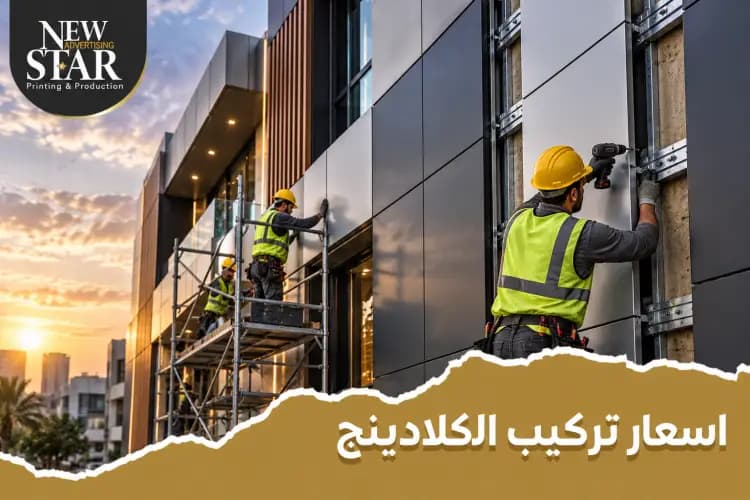
Are you looking for the true cladding cost for your exterior facade? In this comprehensive guide, we reveal current installation pricing to completely transform your building's exterior with top-tier quality and optimized expenses.
We fully understand that planning and determining the composite cladding cost represents the major obstacle for property owners and corporate clients. Estimates often vary significantly between contractors due to a lack of transparency in calculating aluminum raw materials, specialized paint types like PVDF, exact panel thicknesses, and high-performance insulating materials.
At New Star, we provide completely transparent and precise pricing that protects you entirely from contractor manipulation and hidden fees. We are committed to giving you a complete, itemized breakdown of the exterior cladding cost per square meter. This includes supplying the best fire-resistant and weather-resistant materials while meticulously calculating the actual installation, cutting, and steel framing expenses to ensure you secure a modern, durable facade that fits your budget without any unexpected surprises.
What is the Average Cladding Installation Price Per Square Meter?
Cladding installation prices in the market vary depending on the panel type, aluminum thickness, paint quality, facade design, the nature of the steel structure, and building height. Below is the average breakdown of market rates:
Service or Material Type | Approximate Price Per Square Meter |
Standard Cladding for Simple Facades | 1,200 – 1,800 EGP |
High-Quality PVDF Cladding for Exterior Facades | 1,800 – 2,500 EGP |
Fire-Rated Cladding | 2,500 – 3,800 EGP |
Wooden or Marble Finish Cladding | 2,000 – 3,000 EGP |
Installation Labor Only (Without Material Supply) | 500 – 900 EGP |
Note: The mentioned prices are estimates and may vary from one project to another based on raw material market prices at the time of execution, exact dimensions, volume of work, project location, and the required level of finishing.
Key Factors Controlling Cladding Pricing
Determining a fixed rate is challenging because the total cladding cost is affected by several interrelated factors that vary from one project to another:
Material Types and Core Composition: Prices vary based on whether panels are made of pure aluminum or composite materials, along with the core insulation layer (such as polyethylene or rubber). Each material type carries a different price tag reflecting its durability and safety ratings.
Panel Thickness: Thicker panels are more expensive and offer higher structural integrity, whereas thinner options serve as a more economical alternative for minor applications.
Shape, Geometry, and Design: Complex architectural designs, curved shapes, or special finishes (such as marble, wood-grain, or metallic looks) increase the overall cladding cost due to the precision and custom fabrication required compared to standard flat layouts.
Paints and Protective Finishes: Premium finish options like PVDF provide exceptional weather resistance and long-lasting aesthetic appeal, directly reflecting on the final exterior cladding cost.
Accessories and Additional Components: Edges, structural trims, handles, hinges, and integrated lighting systems impact the grand total of the project budget.
Country of Origin and Brand: Imported raw materials generally carry a higher composite cladding cost due to international shipping fees, customs duties, and strict global specifications compared to local manufacturing.
Executing Company Standards: Fabrication quality, installation precision, warranty backing, and after-sales support vary significantly among contractors, meaning price alone should never be your primary selection metric.
Beware of These Traps When Searching for the "Cheapest Cladding Price"
In the construction and exterior facade industry, the cheapest price does not always translate to the best deal. Low pricing often stems from inferior materials or compromised execution standards, leading to severe structural and aesthetic problems later:
Light and Untreated Sub-Frames: Unscrupulous contractors might use thinner steel profiles or reduce the density of the structural framing to artificially lower the initial cladding cost, while completely neglecting proper anti-rust treatments. Over time, this leads to structural weakness and early facade deformation under humidity and wind loads.
Low-Quality Sealants and Fasteners: Utilizing cheap, non-weatherproof silicones and fasteners instead of specialized exterior-grade materials causes premature cracking and joint separation, allowing water leakage behind panels and damaging the inner structure.
Substandard Panels and Poor Finishes: Low-cost commercial panels or non-fire-rated sheets often fade, warp, or degrade rapidly under direct solar radiation, while failing local safety and fire regulations.
Lack of Actual Warranty: Vague or undocumented warranties leave clients completely unprotected, forcing them to bear heavy out-of-pocket repair costs shortly after project completion.
Quality and Value with New Star
Choosing a cladding contractor should be anchored on material quality, execution precision, contract clarity, and post-installation support. With New Star, you get a fully integrated ecosystem:
Transparent Pricing: Clear, itemized project scopes covering steel structures, panels, fasteners, and labor with zero hidden fees.
High-Quality Materials: Certified fire-resistant options and top-tier finishes custom-tailored to your building's specific architectural requirements.
Professional Execution: Meticulous internal framing, secure fixing methods, and flawless joint treatments performed by certified technicians.
Documented Warranty: Reliable, long-term guarantees on both materials and installation backed by responsive ongoing technical support.
Our core philosophy is not to offer the lowest cladding cost on paper, but to deliver the ultimate value for money, combining striking aesthetics, unmatched durability, and absolute structural safety.
Are You Looking for an All-Inclusive Price? (Hidden Costs Contractors Ignore)
Many project owners face unexpected financial surprises during execution, such as hidden site inspection fees, design charges, or massive overages resulting from poor waste management. At New Star, our comprehensive quotation covers every technical detail:
Precise Site Survey: Conducting rigorous on-site visits to take exact measurements and verify structural dimensions, ensuring material quantities match reality.
3D Architectural Modeling: Visualizing the facade prior to fabrication to review color harmonies, lighting placement, and custom details with the client.
Waste Ratio Optimization: Designing advanced cutting layouts to minimize material waste, explicitly detailing all quantities within the formal quotation.
Comprehensive Engineering Study: Inspecting structural walls, load-bearing capacities, and determining the appropriate steel profiles suited for the facade's exposure.
Contact New Star today to schedule an on-site inspection, evaluate your project requirements, and receive a detailed, transparent quotation designed around your goals.
Frequently Asked Questions (FAQ)
Is the price calculated based on facade area or panel count?
Price is determined by the total surface area in square meters (inclusive of materials, structure, and installation labor), while exact panel quantities and calculated waste ratios are factored into the final project study.
Does the price include VAT and municipal permits?
VAT: Applied and stated clearly as a separate item in the official quotation.
Permits: The client is responsible for acquiring municipal and civil defense permits, while New Star fully supplies all required engineering drawings and technical specifications.
What is the payment system and down payment structure?
Payments are conveniently structured across key project milestones:
30% – 40% upfront deposit upon contract signing and design approval to initiate material procurement.
40% progress payment after completing the steel framing installation and delivering the cladding panels on-site.
10% – 20% final settlement upon complete installation, finishing, final inspection, and official project handoff.