
Blog Details

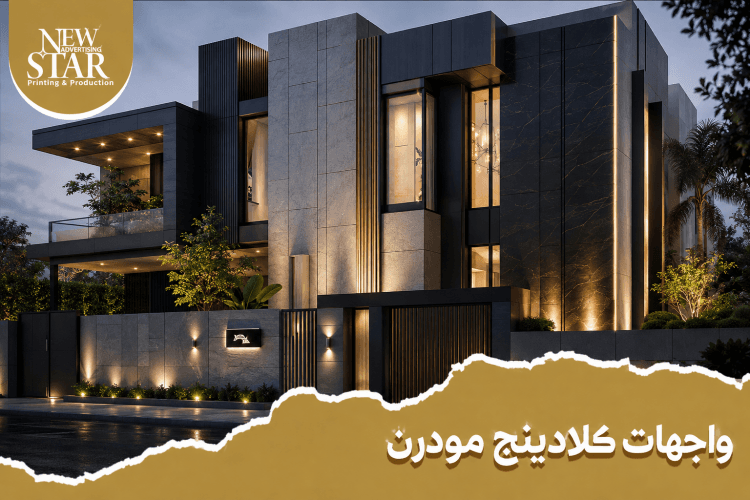
Facade Cladding System: Benefits, Types & Installation Guide
Are you looking to give your commercial building or retail storefront a striking visual presence that commands attention while simultaneously shielding it from harsh environmental elements? In the fast-moving Egyptian commercial real estate and retail landscape, the exterior envelope of your building serves as the very first handshake with your potential clients. Modern cladding facades have rapidly emerged as one of the most prominent, high-performance architectural finishing solutions available today. These systems grant structures a sophisticated, contemporary aesthetic while providing robust, active protection against severe external conditions such as humidity, intense solar radiation, and extreme heat fluctuations.
With the surging market demand across Egypt, NewStar has established itself as a leading manufacturer and supplier of premium aluminum composite panels and exterior architectural solutions. By delivering cutting-edge systems that combine modern design, mechanical durability, and long-term cost efficiency, selecting the right design, material specification, and understanding the financial investment behind a modern facade cladding system becomes an essential, foundational step for any new commercial enterprise, retail store, or residential development.
What is Facade Cladding? Understanding the Core Concept
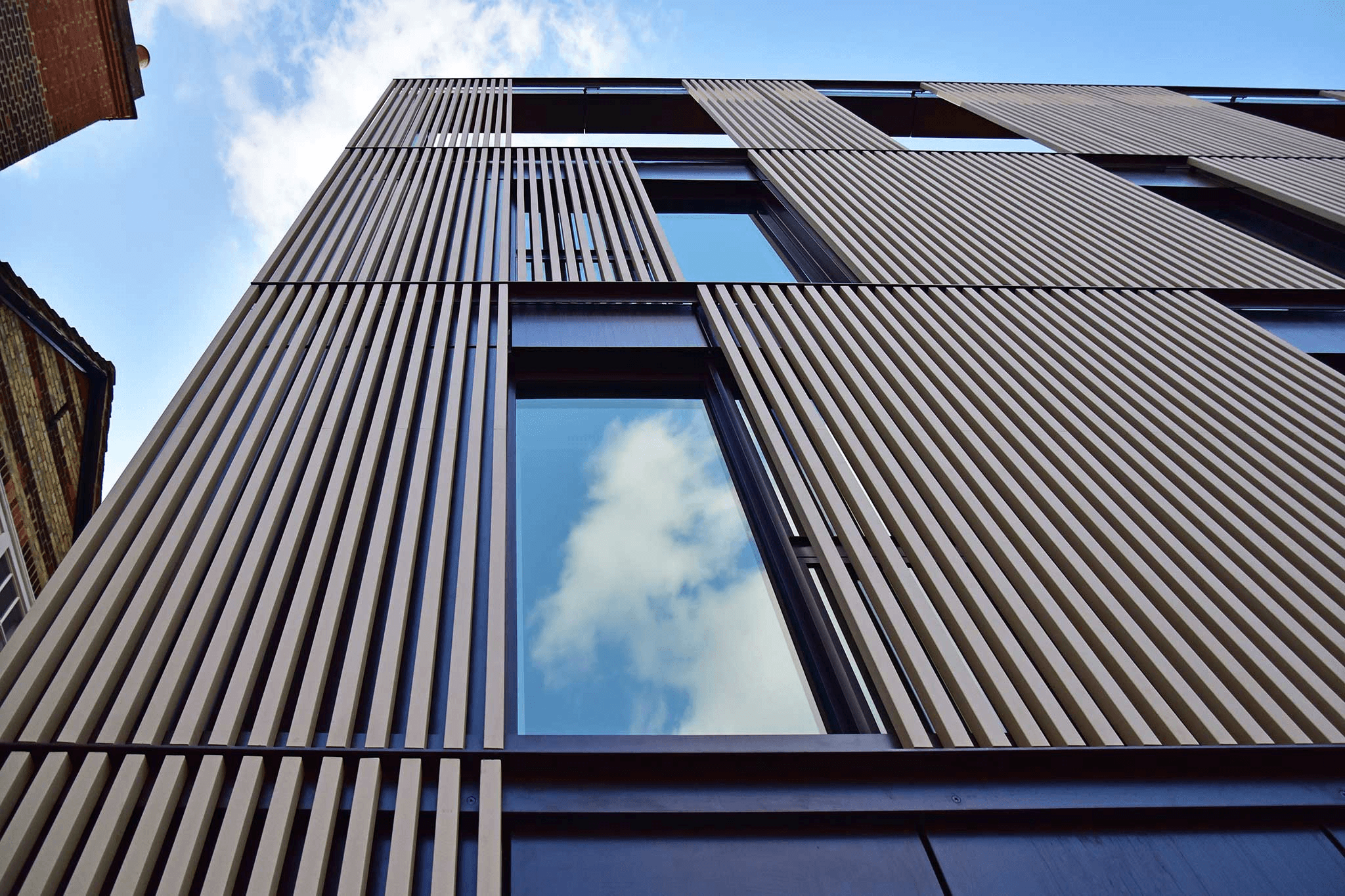
To fully appreciate the architectural value of modern building envelopes, one must first understand the fundamental Facade cladding meaning. In modern architecture, facade cladding refers to an exterior non-load-bearing skin or protective layer applied to the outer framework of a building. Rather than supporting the structural weight of the building itself, a specialized facade cladding system is engineered to shield the primary structure against weather exposure, improve energy efficiency through thermal and acoustic insulation, and transform a basic concrete layout into a visually stunning, branded masterpiece.
Why Modern Cladding Facades Are the First Choice for Companies and Retail Shops
Modern cladding facades offer an unmatched, harmonious combination of structural strength, mechanical durability, and sleek contemporary design. This unique balance makes a specialized facade cladding system the ideal choice for corporate entities, administrative facilities, and retail shopfronts seeking to project a bold, professional visual identity.
Key operational and aesthetic advantages include:
Superior Environmental Resistance: Exceptional durability against diverse weather conditions, including intense UV exposure, heavy rain, sandstorms, and thermal expansion.
Thermal and Acoustic Insulation: Enhanced internal climate control that noticeably reduces HVAC energy consumption while dampening external urban noise pollution.
Low Maintenance Requirements: High structural integrity and color retention that maintain a pristine, sophisticated appearance for decades with minimal maintenance overhead.
High ROI and Brand Elevation: Serves as a long-term strategic investment that gives your enterprise a distinctive, high-end presence, communicating quality, prestige, and professionalism from the very first glance.
Latest Styles and Designs in Modern Cladding Facades
Modern cladding systems are among the most versatile and widely deployed finishing solutions for commercial shopfronts, corporate headquarters, and administrative complexes. Thanks to their adaptability, light weight, and broad spectrum of custom finishes, these systems seamlessly accommodate diverse business sectors, reinforcing brand identity while ensuring long-lasting performance.
Commercial Retail Shopfront Decorations
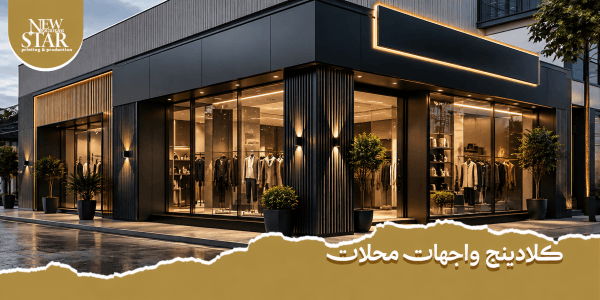
In the competitive retail sector, an exterior facade is a primary driver of customer foot traffic and brand awareness. As architectural design trends continue to evolve, integrating three-dimensional (3D) structural elements and concealed LED architectural accent lighting has become a dominant trend.
Aluminum paneling provides extraordinary design flexibility. It enables architects and designers to execute vibrant, color-coordinated corporate shopfronts or apply sophisticated finishes that flawlessly emulate natural timber grains, warm wood textures, or polished natural marble. This grants showrooms and retail stores a luxurious exterior that blends elegance with structural resilience. Furthermore, a high-quality facade cladding system retains its structural integrity and color brilliance over many years, maintaining a captivating, eye-catching presence around the clock.
Cladding Facades for Corporate Headquarters and Administrative Buildings
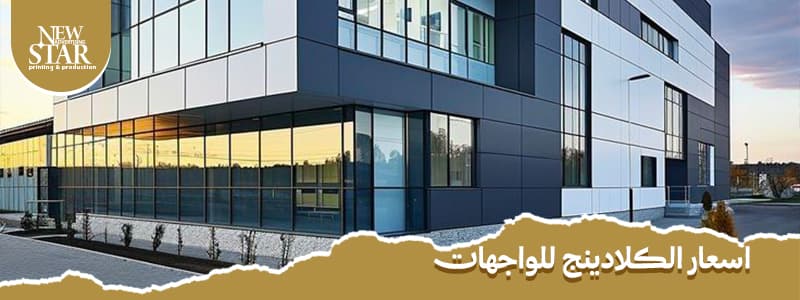
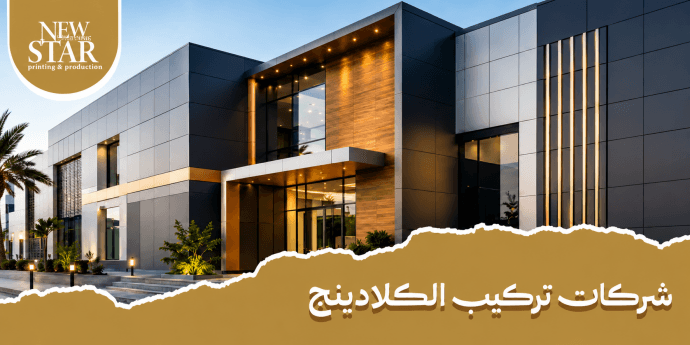
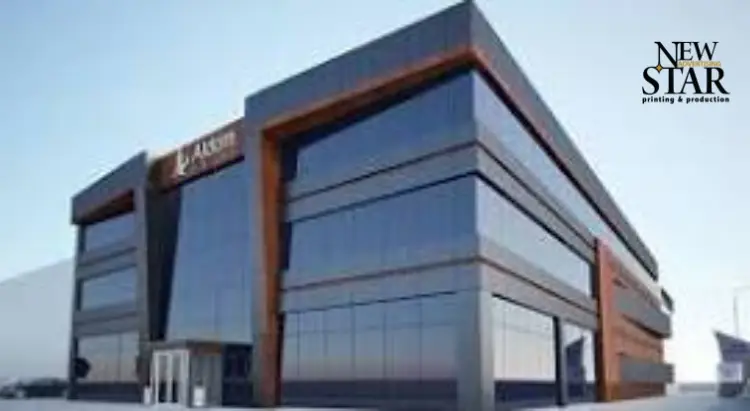
For corporate entities and administrative hubs, the exterior facade must project authority, innovation, and stability. Modern administrative designs favor large-format panels in refined neutral tones, such as metallic silver gray, deep charcoal gray, and sleek matte black. These architectural panels are frequently combined with modern glass curtain wall systems (Curtain Wall Systems).
This seamless combination of aluminum panels and structural glass creates an elegant architectural balance that marries modernity with prestige. Beyond aesthetics, incorporating an ACP Facade cladding framework significantly boosts the functional performance of the building envelope by upgrading thermal insulation performance and driving down operational energy costs. Consequently, modern cladding facades are the definitive choice for forward-thinking companies striving to demonstrate market leadership, environmental sustainability, and modern sophistication.
The Secret to Modern Facades: Integrating Cladding with Architectural Signage
A truly successful exterior facade relies on more than just mounting aluminum panels onto a wall. True impact is achieved through the seamless, strategic integration between the structural facade layout and customized commercial signage. When planned correctly, this synergy transforms the entire building envelope into an active, 24/7 marketing asset that clearly communicates brand quality.
1. Three-Dimensional (3D) Acrylic Lettering
Raised 3D acrylic letters are among the most popular and effective solutions for commercial shopfronts and corporate entrances. The crisp dimensional depth created between the flat surface of the facade cladding system and the raised lettering produces a high-contrast visual effect. This enhances brand legibility from long viewing distances and leaves a memorable impression on passersby.
2. Illuminated Signage and Advanced LED Systems
Modern lighting technologies—whether utilized via backlighting (halo-lit) effects or high-efficiency face-lit LED channels—play a vital role in highlighting architectural details during nighttime hours. Well-distributed LED architectural lighting enhances the visibility of corporate logos and business names without creating harsh glare, ensuring your storefront remains prominent and attractive day and night.
3. Color Harmony with Visual Corporate Identity
The ultimate success of a modern facade design hinges on achieving complete visual harmony between the background cladding colors, the signage elements, and the official corporate logo. At NewStar, colors and surface finishes are carefully matched to the precise brand guidelines of each client, delivering a unified appearance that reflects professionalism and builds consumer trust.
Combining a high-performance facade cladding system with illuminated 3D acrylic signage creates a complete commercial envelope that merges aesthetic elegance with high-impact marketing functionality.
How to Select the Ideal Cladding Colors for Your Brand Identity
Selecting the right color palette for your exterior cladding is not merely an aesthetic choice; it is a fundamental component of your corporate visual identity. The right combination shapes consumer perception and establishes a strong first impression. To achieve optimal results, consider the following key factors:
Alignment with Brand Identity: Ensure your cladding panel colors directly complement or harmonize with your official corporate logo and brand guidelines to create a recognizable, unified presentation.
Psychological Impact of Colors: Colors evoke specific emotional responses. Warm, energetic tones like vibrant reds and oranges project activity and excitement, making them popular for food and retail sectors. Conversely, cool, muted tones like deep blues, charcoal, and metallic grays instill a sense of trust, security, and corporate professionalism.
Selecting the Right Surface Finish: Explore various Types of facade materials and surface treatments. Natural wood-grain finishes, brushed metallic textures, or stone-emulating surfaces add distinct architectural character tailored to your specific line of business.
Harmonizing with Surrounding Architecture: While your building should stand out, its overall color scheme should maintain architectural dialogue with surrounding structures rather than creating visual discord.
On-Site Color Testing Before Execution: Always inspect physical samples of your chosen ACP Facade cladding panels directly at the project site. Evaluate how the surface reflects light under direct natural sunlight as well as artificial nighttime illumination before finalizing installation.
Technical Specifications: What Should You Choose (PVDF vs. PE)?
The type of protective exterior coating applied to aluminum composite panels is one of the single most critical factors determining the lifespan, weather resistance, and color retention of your facade over time. Choosing between PVDF (Polyvinylidene Fluoride) and PE (Polyethylene) coatings depends primarily on whether the application is for exterior architectural envelopes or interior decorative spaces.
PVDF Coating (Polyvinylidene Fluoride)
PVDF coating is the gold standard for external building envelopes, high-rise developments, and commercial facilities. It features extraordinary resistance against harsh ultraviolet (UV) rays, acid rain, atmospheric pollution, humidity, and extreme surface temperatures. PVDF retains its original color intensity and gloss level for decades, making it the indispensable choice for projects requiring high durability and long service life.
PE Coating (Polyethylene)
PE coating is engineered primarily for interior decoration, interior wall feature paneling, exhibition stands, and indoor signage systems. It offers a cost-effective solution available in a vast array of colors and finishes. While it provides a high-quality visual appearance indoors, PE coating is not formulated to withstand continuous exposure to intense UV light or severe weather, making it unsuitable for exterior applications.
Quick Technical Comparison: PVDF vs. PE Coatings
Comparison Criteria | PVDF Coating | PE Coating |
Primary Application | Exterior Building Envelopes & Commercial Facades | Interior Decoration & Indoor Feature Walls |
Weather Resistance | Exceptional (Engineered for Extreme Outdoor Environments) | Moderate (Designed for Climate-Controlled Spaces) |
Color Retention | Ultra-High Stability (Maintains Color for Decades) | Standard (Ideal for Controlled Indoor Lighting) |
UV Ray Resistance | Maximum UV Resistance & Anti-Chalking Properties | Limited Resistance Under Direct Sunlight |
Cost Profile | Higher Initial Investment (Delivers Long-Term Value) | Economical / Budget-Friendly for Interiors |
Selecting a PVDF-coated facade cladding system ensures your building exterior remains fully protected against environmental degradation, preserving your financial investment over the long term.
Pricing Factors: How Is the Cost Calculated?
Prospective business owners and project developers often search for a fixed per-square-meter price for modern cladding installations. However, there is no single, fixed price that applies to every architectural project. Total project costs vary based on design complexity, total surface area, material specifications, structural substructure engineering, and installation methods. A comprehensive engineering study of your specific project requirements is required to establish an accurate financial budget that balances quality, safety, and cost efficiency.
The primary variables determining the cost of an ACP Facade cladding installation include:
Aluminum Skin Thickness: The thickness of the outer aluminum sheets (e.g., 0.3 mm, 0.4 mm, or 0.5 mm) directly affects the structural rigidity, wind-load capacity, and impact resistance of the panels. Thicker aluminum skins increase performance as well as the per-square-meter price.
Type of Exterior Coating (PVDF vs. PE): Utilizing PVDF-coated panels for exterior applications incurs a higher initial cost compared to indoor-grade PE panels due to the advanced fluoropolymer resins used to achieve long-term UV and weather protection.
Total Surface Area and Design Complexity: While large-scale flat projects often benefit from economies of scale that reduce the unit cost per square meter, complex architectural designs featuring intricate curves, geometric protrusions, three-dimensional angles, or custom routing increase labor costs and material waste.
Steel Substructure and Mounting Hardware: A complete facade cladding system includes heavy-duty structural steel framing, anti-corrosion primer and paint coatings, insulation layers, structural anchor bolts, and specialized weather-resistant structural sealants. These structural components are essential for safety and longevity.
Value-Added Enhancements for Modern Building Envelopes
If you are planning to construct a new building envelope or modernize your existing commercial storefront, NewStar offers fully integrated, end-to-end solutions. Our services cover everything from structural design and precision panel fabrication to the manufacturing of 3D acrylic raised lettering, illuminated outdoor signage, and commercial printing.
By deploying premium Types of facade materials, high-grade aluminum composite panels, and certified installation methodologies, NewStar guarantees a world-class exterior facade that expresses your brand's unique identity, attracts customers, and withstands the test of time. Investing in a professionally engineered facade cladding system is the ultimate strategy for elevating your business presence and securing long-term asset value.