
Blog Details

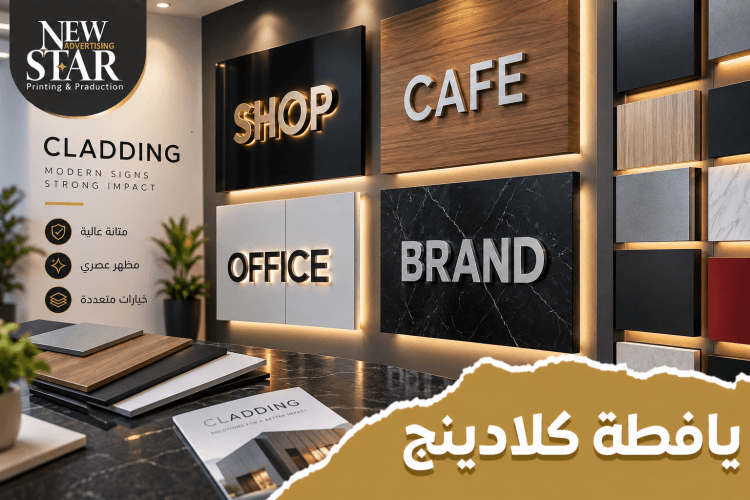
Cladding Sign | Premium Shopfront Panels for Strong Branding
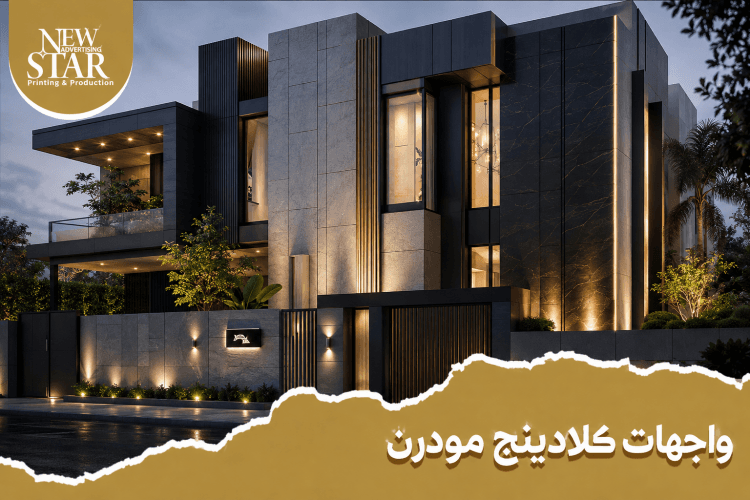
A premium Cladding Sign serves as the primary investment facade for your business, granting your commercial project a distinct visual identity and conveying an immediate impression of luxury and professionalism to your clients. Far beyond a simple billboard created to display a store or corporate name, a high-quality Outdoor Cladding acts as a permanent marketing asset. It consistently attracts attention, protects the underlying building facade, and significantly lowers long-term maintenance costs.
At New Star, this comprehensive guide is designed to place all vital technical details at your fingertips: from understanding the raw materials available in the market to determining the ideal design for your business, choosing the right manufacturer, and securing maximum quality at the best value.
What is a Cladding Sign and What is It Made Of?
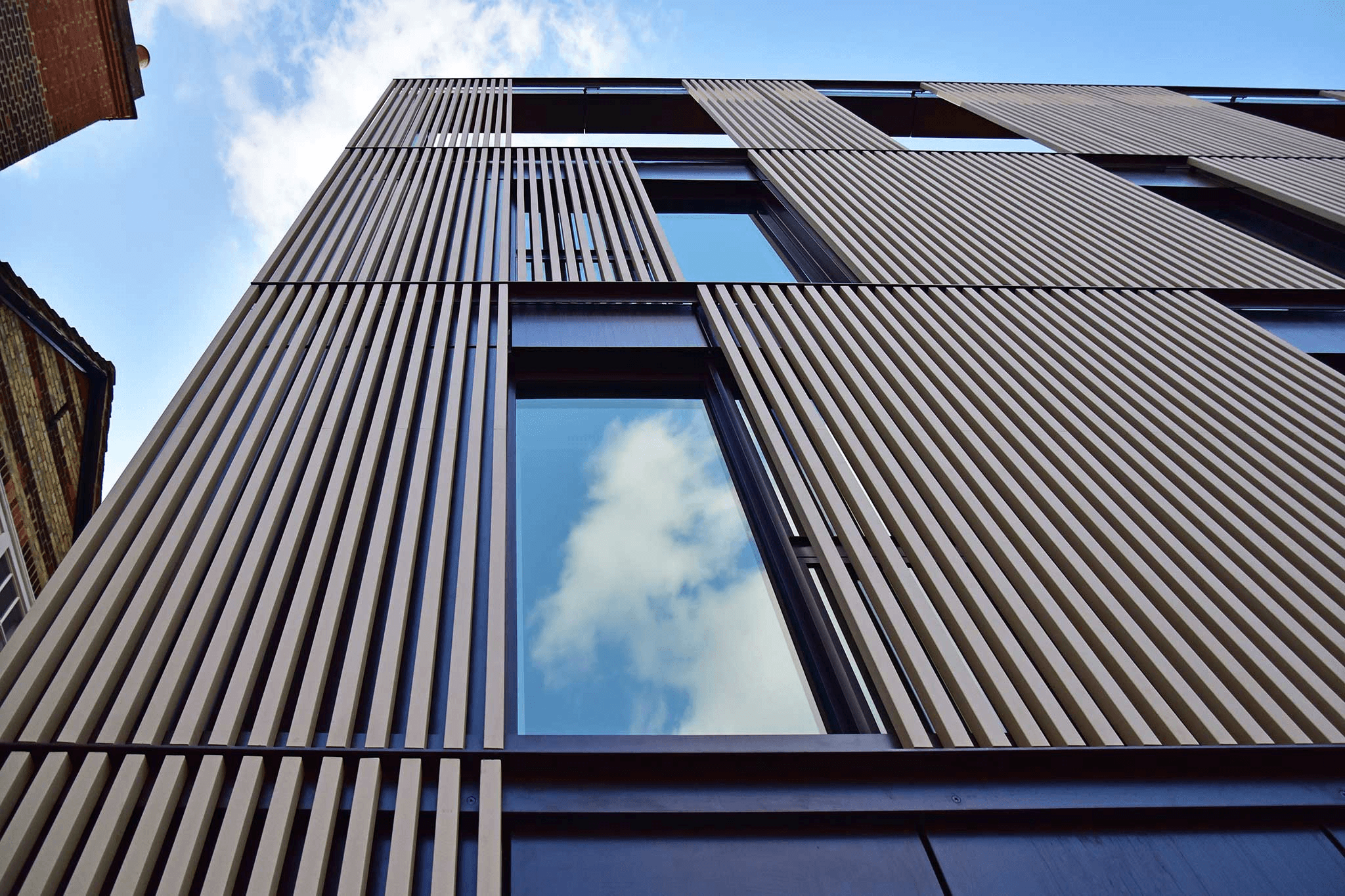
A modern Cladding Sign is an advanced architectural covering used to clad the exterior of retail stores, corporate headquarters, and commercial buildings. It provides a sleek, perfectly level, and sophisticated appearance based primarily on Aluminum Composite Panels (ACP).
4 Essential Components of a Complete Cladding Sign System
To deliver structural integrity and high-end visual appeal, a professional signage system crafted by New Star integrates four foundational elements:
Internal Steel Frame (Chassis): Serving as the structural skeleton of the sign, this frame is fabricated from robust steel tubing (e.g., $3 \times 3\text{ cm}$ or $4 \times 4\text{ cm}$). Applied directly onto the building wall after being coated with anti-rust primers, it secures the panels and guarantees a flat, seamless finish.
Composite Cladding Panels (Exterior Sheathing): These primary facing panels are precision-cut and routed using CNC machinery. Once assembled on the steel chassis, they form the main background facade in your requested color and texture, whether you select a classic metallic finish, a customized Metal Cladding base, an organic Wooden Cladding Sign look, or a smooth architectural panel.
3D Raised Lettering (Brand Identity): The prominent typography and logos mounted onto the Cladding Sign background give the storefront depth and visual prominence. They are manufactured from durable materials such as illuminated acrylic, stainless steel (gold or silver finish), or painted galvanized sheet metal.
Integrated LED Lighting Systems: High-brightness, weather-resistant LED modules (rated IP65/IP67) power the sign. These units can be installed inside raised letters for front lighting, behind letters for a subtle, elegant halo/backlit effect, or mounted as external floodlights along the sign edges.
When planning your business facade, check our cladding installation guide to learn more about available materials, designs, and suitable options.
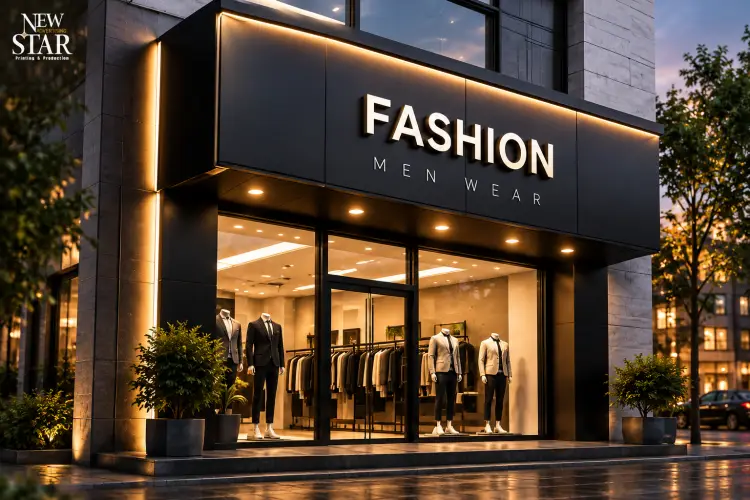
Popular Cladding Material Comparison
Selecting the right panel substrate depends on project budget, location, and exposure to environmental elements:
Chinese Cladding Panels: Highly cost-effective with a wide array of color options. Ideal for emerging startup projects seeking an attractive appearance at a lower initial investment.
Gulf Cladding Panels (UAE / Saudi): Features superior PVDF paint coatings resistant to harsh sunlight and UV exposure. Offers an extended operational lifespan, making it the preferred choice for established commercial brands.
Korean & American Cladding Panels: Delivers ultra-high rigidity and superior fire-resistance ratings in specialized series. Engineered for massive infrastructure projects and major corporations with unrestricted budgets.
Types of 3D Raised & Illuminated Letters
Raised lettering represents the most eye-catching feature on any facade. By introducing depth and three-dimensional aesthetics, different lettering materials complement your overall building layout—such as a tailored Wall Cladding—to suit varying business types:
1. Full Acrylic Letters (Front-Lit)
Crafted with transparent or colored acrylic faces and returns, containing internal LED modules. They distribute bright, uniform light across the front and sides, making them the most popular choice for retail stores operating late into the night.
2. Hollow Stainless Steel Letters (Backlit / Halo Effect)
Made from opaque stainless steel (silver or gold finish) with hollowed backs. The LEDs project light backward onto the Cladding Sign background, casting a soft halo glow around each letter. This style conveys extreme luxury for fine dining, law firms, and high-end boutiques.
3. Stainless Steel with Acrylic Face (Front-Lit with Metal Edges)
Combines the executive look of dark or polished metal side returns with the vibrant illumination of an acrylic face. Frequently specified by New Star for banking institutions, corporate offices, and industrial headquarters.
4. Powder-Coated Sheet Metal Letters
Formed from rust-resistant galvanized steel sheets and electrostatically powder-coated in oven furnaces to any custom shade. An economical, heavy-duty solution that can be backlit or unlit for daylight-focused businesses or budget-conscious projects.
If you want to create a modern and professional storefront, explore cladding companies solutions to find the right design for your business.
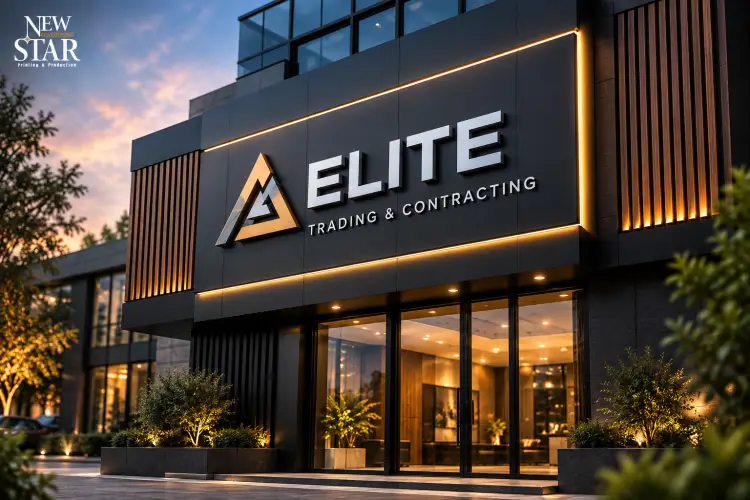
4 Steps for a Safe & Professional Installation
To guarantee a vibrant, stable Cladding that withstands severe weather over many years, New Star adheres to four crucial execution steps:
Site Survey & Dimension Measurement: A detailed field inspection to capture exact dimensions (length, height, depth) and assess the wall structure (concrete, brick, or curtain wall glass) to determine proper anchoring points capable of supporting total sign weight.
3D Visualization Design: Developing a precise 3D digital mockup prior to fabrication ensures color harmony, accurate letter scaling, and proper light distribution aligned with your brand identity before any cutting takes place.
Wind-Resistant Steel Chassis Fabrication: Constructing the heavy-duty internal steel framework with thick structural tubing treated with anti-corrosion coatings. Firm anchor installations prevent wind vibration and ensure structural integrity.
Precision CNC Cutting & Assembly: Cutting and routing panels using high-precision CNC routers ensures perfectly straight edges and seamless alignment across panel joints, yielding a flawless, continuous surface appearance.
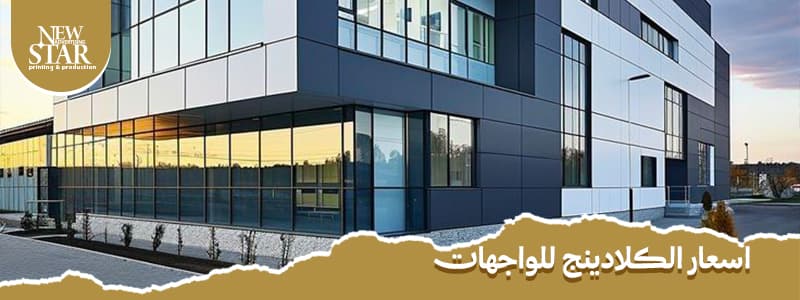
When planning your business facade, check our Shop cladding prices guide to learn more about available materials, designs, and suitable options.
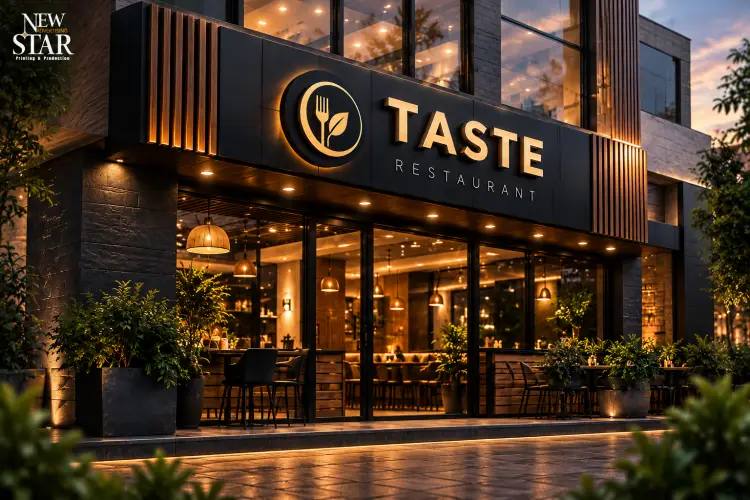
Common Mistakes to Avoid
Unqualified contractors often make critical technical errors that compromise signage longevity. Avoiding these pitfalls guarantees long-term durability:
Using Interior PE Panels Instead of Exterior PVDF Coatings: PE (Polyethylene) coated panels are designed exclusively for indoor decoration. Exterior applications require PVDF paint to resist UV radiation and heat. Using PE panels outdoors causes rapid fading, peeling, and surface discoloration within months.
Neglecting Ventilation for Power Supplies: LED transformers generate substantial heat during operation. Failing to integrate rear ventilation slots within the internal chassis causes power supplies to overheat, leading to frequent electrical failure and dead lighting zones.
Frequently Asked Questions (FAQ)
Q: How long does it take to manufacture and install a Cladding Sign?
A: Manufacturing and installation typically require 3 to 7 business days. This timeframe covers site measurements, CNC panel routing, letter fabrication, LED wiring, and final field mounting (larger architectural projects may require additional time).
Q: Can the color of a Cladding Sign be changed after installation?
A: Direct spray painting is not recommended because cladding panels feature a specialized factory-applied thermal finish. The most effective options are applying high-grade exterior vinyl wrapping in the new color or removing and replacing specific panels.
Q: How should cladding facades be cleaned without damaging the gloss?
A: Clean the surface using fresh water, soft microfiber cloths, and a mild neutral soap (such as diluted dish detergent). Never use abrasive scrubbers, wire brushes, or harsh chemicals (like bleach, acid, or petrol) as they will scratch or dull the protective finish.