
Blog Details

Exterior Building Cladding for Modern Stylish Facades Today
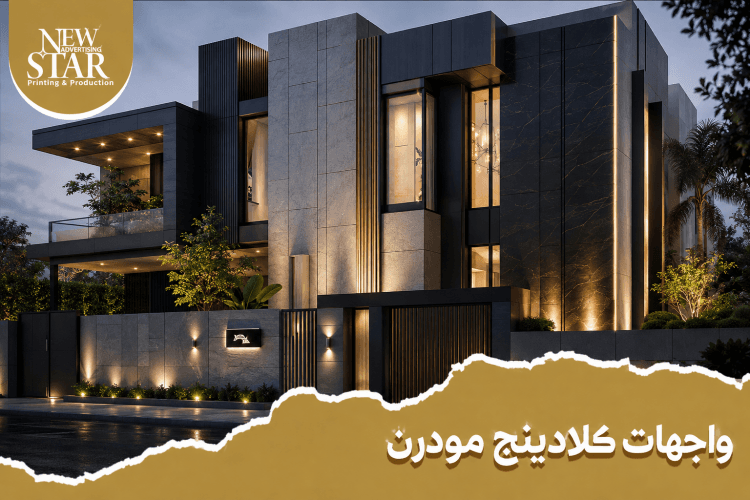
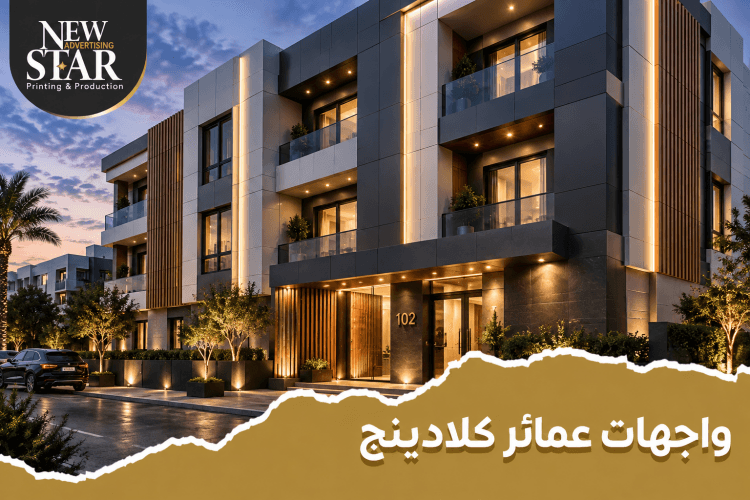
Modern exterior building cladding represents one of the premier architectural solutions for giving residential and commercial structures a fresh, contemporary aesthetic. Using cladding to renovate older or traditional building facades elevates visual appeal, highlights architectural identity, and boosts long-term property value.
Achieving a high-quality facade begins with selecting the right materials—not just the initial design. Utilizing certified, high-spec cladding panels enhances structural defense against harsh weather, minimizes wear and tear, reduces recurring maintenance costs, and keeps the building looking pristine over time.
At New Star, we offer extensive expertise in supplying and installing building cladding systems for various architectural concepts. By combining modern aesthetics, superior materials, and precision engineering, we help transform your property into a standout landmark that reflects its true value.
Why Is Exterior Building Cladding the Top Choice for Facades?
Today, exterior building cladding goes far beyond surface-level beauty—it is a core component of building efficiency, safety, and investment retention. Modern developments and renovation projects increasingly rely on advanced facade cladding due to its lightweight properties, design versatility, and long-term durability.
1. Reduced Dead Loads on the Building Structure
Cladding panels are significantly lighter than traditional masonry or natural stone facing (such as marble or granite). This lightweight nature reduces overall dead loads on the building's structural frame while allowing architects to execute complex geometric designs safely.
2. Thermal Insulation and Energy Efficiency
Installing exterior building cladding alongside specialized insulation layers and engineered air cavities minimizes heat transfer into the building interior. This thermal barrier enhances indoor comfort, reduces reliance on HVAC systems during summer heat spikes, and lowers overall energy consumption.
3. Facade Renewal and Concealment of Structural Flaws
Cladding provides a practical solution for restoring aged or weathered exteriors. Suspended on custom-engineered steel sub-frames, it hides surface defects, levels uneven walls, and cleanly conceals exposed external utilities—such as AC piping, conduit cables, and drainage lines.
At New Star, we provide end-to-end facade engineering solutions that merge visual appeal with structural longevity.
Cladding materials are widely used to improve the appearance and finish of residential and commercial properties, with cladding signage price offering more insight into modern facade solutions.
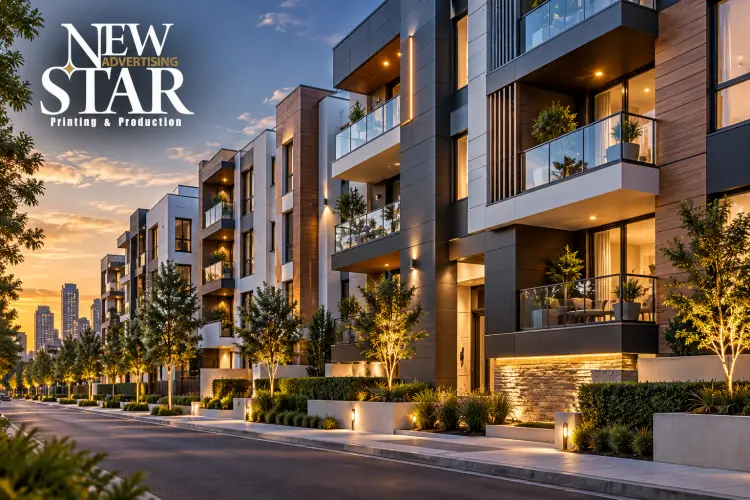
Main Types of Exterior Building Cladding for High-Rise & Commercial Buildings
Selecting the right panel specification depends on building height, usage type, environmental exposure, local building codes, and strict civil defense fire safety standards.
Fire-Retardant Cladding Panels
Engineered with mineral-filled or non-combustible core materials, fire-rated building cladding limits flame spread and smoke generation during fire emergencies.
Best Application: Essential for mid-rise to high-rise structures, public venues, and commercial facilities requiring strict civil defense compliance.
PVDF Coated Cladding
Polyvinylidene Fluoride (PVDF) coated panels deliver high-performance surface protection against intense UV radiation, industrial pollutants, and weather-induced degradation, maintaining color stability over decades.
Best Application: Ideal for high-sunlight regions and coastal zones where long-term finish durability is paramount.
Nano-PVDF Self-Cleaning Cladding
Combining standard PVDF coating with advanced nanotechnology, Nano-PVDF panels feature hydrophobic and anti-static surface properties that reduce dirt accumulation and allow rainwater to wash away surface dust.
Best Application: Highly practical for high-rise towers where manual facade cleaning is logistically challenging and expensive.
Modern cladding solutions provide versatile options for shops, offices, homes, and commercial properties, with cladding installation among the topics available on the website.
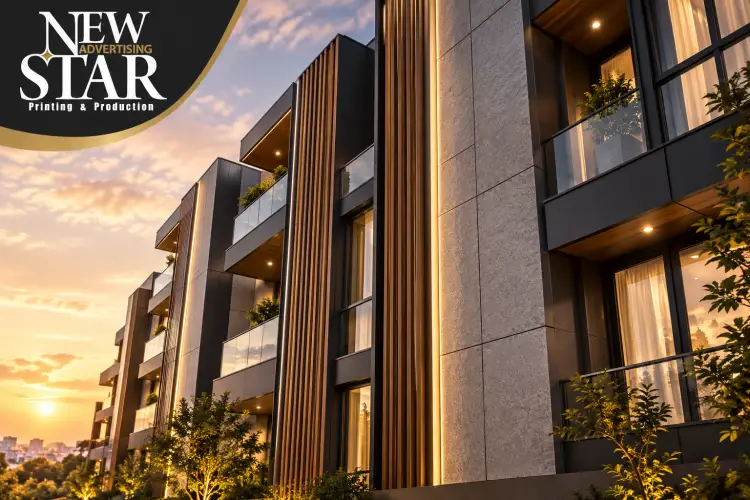
Technical Guidelines for Safe Facade Installation
Ensuring safety and structural integrity in exterior building cladding installations—especially on multi-story buildings—requires rigorous adherence to engineering calculations and building codes:
Sub-Frame Steel Chassis Assembly: Mounting panels onto heavy-duty galvanized or anti-corrosion treated steel tubing protects structural anchor points against moisture and rust.
Wind Load Engineering: Calculating structural steel profiles, bracket spacing, and anchor capacities prevents panel deflection or vibration under high wind pressures.
Thermal Expansion Joints: Designing flexible, weather-sealed expansion gaps absorbs panel expansion and contraction caused by seasonal temperature changes, preventing water infiltration.
Precision Workmanship: Combining accurate sub-frame alignment with certified weather sealing ensures long-term facade stability.
At New Star, every cladding project undergoes rigorous quality checks from structural layout through final panel alignment.
Popular Exterior Building Cladding Colors & Finishes
Selecting the right finish defines your building's architectural personality:
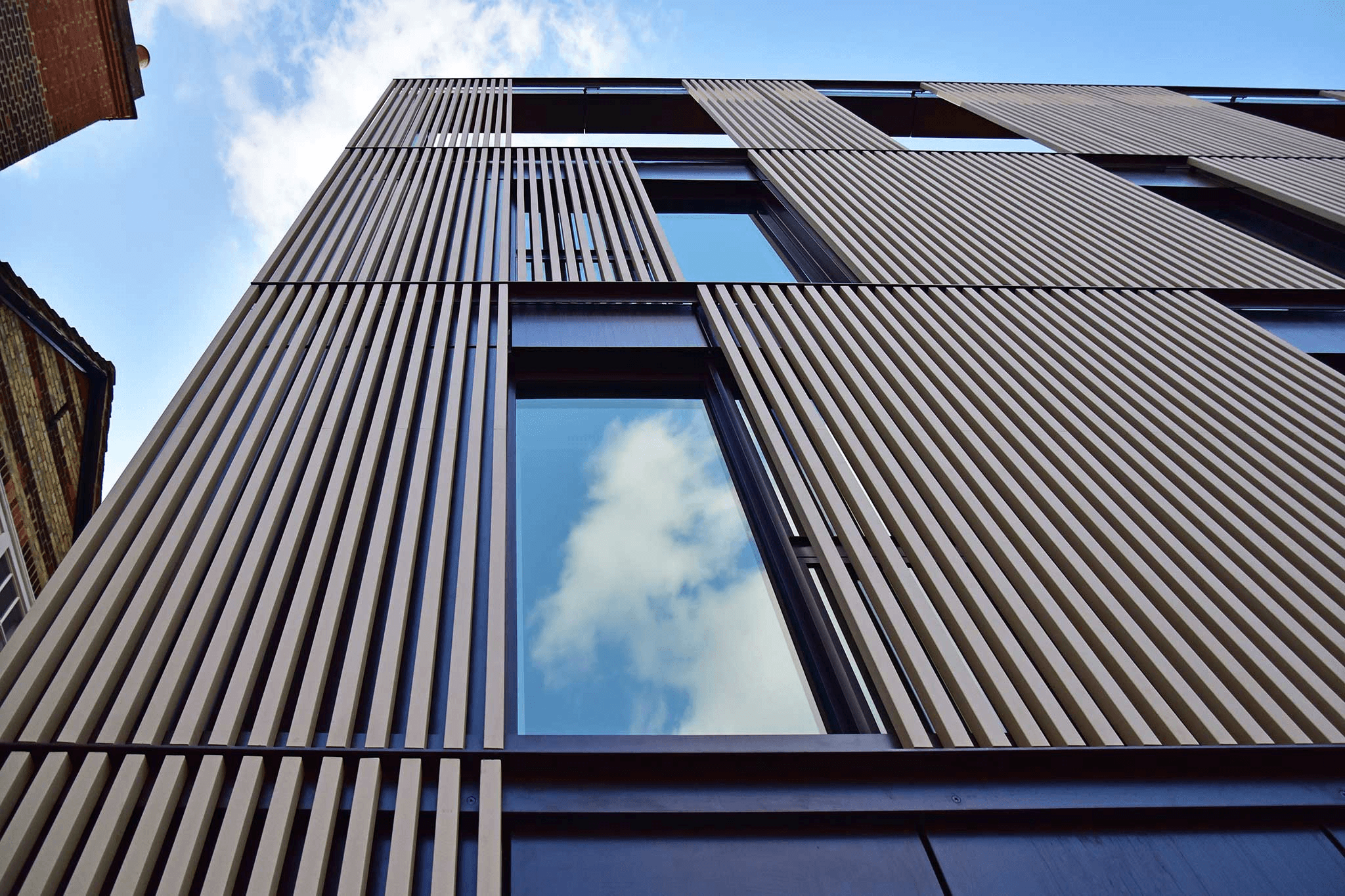
Wood Grain Textures: Adds warmth and organic luxury, making it popular for modern residential complexes and boutique commercial projects.
Metallic Silver & Slate Grey: Delivers a sleek, hi-tech aesthetic suitable for corporate headquarters and administrative centers.
Dual-Tone Combinations: Pairing contrasting shades (e.g., Matte Black with Gold accents or Warm Beige with Deep Bronze) highlights architectural features and creates visual depth.
Facade Handover Checklist: Quality Inspection Points
Before signing off on your newly installed exterior building cladding project, inspect the following key areas:
Protective Film Removal: Verify that protective films are removed immediately post-installation to prevent adhesive baking under solar heat.
Surface Alignment: Inspect the facade for straightness, uniform joint gaps, and freedom from surface rippling or warping.
Weather Sealing: Ensure expansion joints are completely sealed with high-grade elastomeric sealants without gaps or air bubbles.
Structural Anchoring: Confirm that all panel fasteners are securely set flush without exposed sharp edges or loose screws.
Warranties & Certificates: Collect official material test reports, fire resistance certificates, and manufacturer finish warranties.
At New Star, we manage all phases of exterior building cladding execution, ensuring every detail meets strict quality standards.
Choosing suitable facade materials can enhance the overall appearance and architectural character of a property, and you can explore facade cladding system for further information.
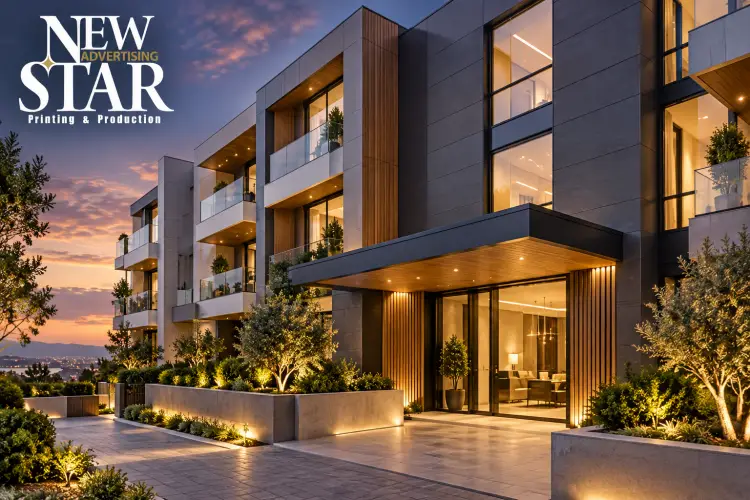
Exterior Building Cladding Pricing & Options Overview
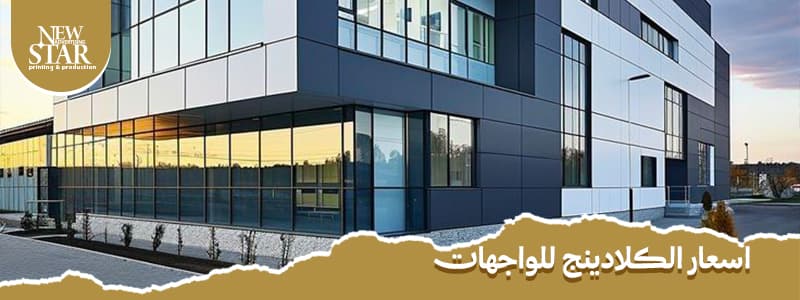
Project costs vary depending on panel core types, structural framework specs, building height, and surface finish grades. Below is a comparative overview of options including cost-conscious choices such as the cheapest external wall cladding variants up to premium weather-sealed systems:
Option / Category | Primary Characteristics | Key Functional Benefit | Typical Cost Tier |
Cheapest External Wall Cladding | Standard PE core panels with basic polyester coating | Lightweight decorative cover for low-rise indoor or temporary structures | Budget-Friendly |
Waterproof Outdoor Wall Cladding | Sealed sub-frames with PVDF coated panels and elastomeric joint sealants | Maximum weather resistance against heavy rain and moisture ingress | Mid to High Tier |
Exterior Wall Cladding Tiles | Ceramic, porcelain, or composite tile units mounted via mechanical clips | High scratch resistance and traditional architectural stone aesthetics | High Tier |
Exterior Wall Cladding Panels Price Factors | Varies by fire core rating (FR vs PE), panel thickness ($4\text{ mm}$ std), and aluminum skin gauge | Determines overall structural longevity, fire rating compliance, and price | Material Specific |
Frequently Asked Questions (FAQ)
Can building cladding be installed on old facades without plastering?
Yes. Cladding panels mount directly onto a custom-engineered steel sub-frame attached to the structural wall, eliminating the need for exterior cement plastering and accelerating project timelines.
What is the average lifespan of exterior building cladding?
Quality cladding facades typically last between 15 to 25 years. Selecting PVDF or Nano-PVDF coatings alongside routine cleaning can extend operational lifespan even further.
Is renovating a facade with cladding more expensive than natural stone?
Generally, no. Exterior building cladding often proves comparable to or less expensive than stone facing options like Hashemi stone. It saves on plastering costs, installs much faster, and incurs significantly lower long-term maintenance expenses.
Delivered by New Star — Your Trusted Partner in Modern Facade Systems & Exterior Architectural Solutions.