
Wooden Cladding Price Guide 2026 | Costs, Types and Top Tips

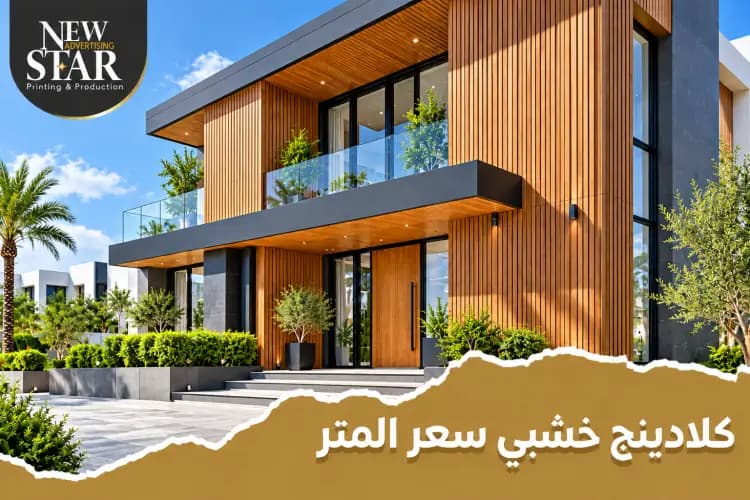
Searching for the wooden cladding price reflects your desire to achieve a design that combines aesthetic appeal, natural character, strength, durability, and a long lifespan. Wood-look cladding gives building facades a warm, modern touch, with materials that can offer a service life exceeding 20 years.
However, before purchasing, it is important to understand that wooden cladding is not a single type. There are distinct differences between aluminum cladding with a wood finish and wood-plastic composite (WPC) in terms of material composition, price, specifications, and applications.
In this guide from New Star, we explain the key differences between these materials, provide insights into the wooden cladding price, and highlight the factors affecting total costs to help you select the ideal material for your project.
Price Table for Wooden Cladding Per Meter (Supply and Installation)
The wooden cladding price varies significantly from one type to another based on the raw material used, paint coating type, degree of weather and fire resistance, aluminum sheet thickness, and installation site conditions. Therefore, a single unified price cannot be applied across all cladding types.
To help you gain a clearer picture before purchasing, the following table outlines the main types of wood-look aluminum cladding, their best applications, and approximate price ranges per square meter, including supply and installation:
Wooden Cladding Type | Ideal Application | Approximate Price Range (Supply & Installation) |
Wood-Finish Aluminum Cladding (PVDF) | Ideal for exterior building facades and corporate headquarters due to excellent resistance to sunlight and severe weather elements. | Varies according to thickness, brand, and specifications; determined after site inspection. |
Wood-Finish Aluminum Cladding (PE) | Best suited for interior decorations, wall coverings, and shaded areas not directly exposed to sunlight. | Typically more affordable than PVDF-coated cladding. |
Certified Fire-Retardant Wooden Cladding | Suitable for projects requiring higher safety standards, such as hospitals, commercial malls, administrative buildings, and mega-projects. | Positioned in the higher price category due to special fire-resistance specifications and standards. |
Note: The final wooden cladding price depends on several key factors, including aluminum sheet thickness, protective coating quality and thickness, paint type, brand, project area, and site location conditions. A professional site inspection is recommended to determine exact pricing.
Before choosing the right material for your project, explore our guide to modern villa facade to understand the benefits of each option.
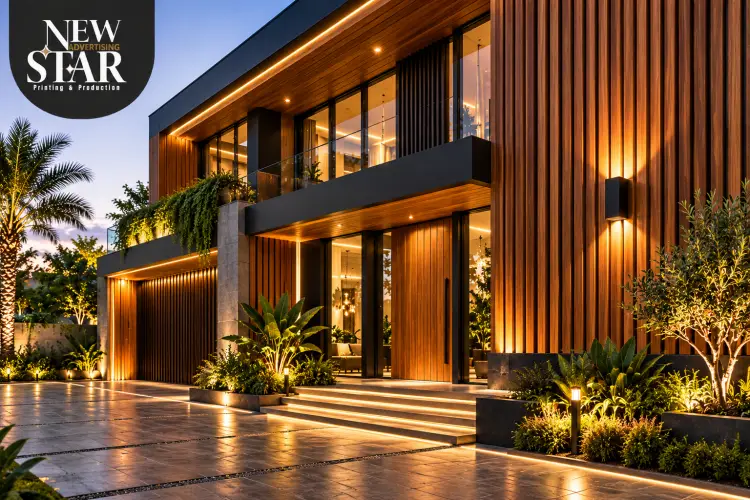
4 Reasons Why Wood-Look Aluminum Cladding is a Practical Alternative to Natural Wood
Choosing aluminum cladding with a wood finish offers practical performance benefits beyond visual appeal, making it a reliable solution for various facades and architectural applications:
Weather and Sunlight Resistance: It withstands harsh climatic conditions, retaining its appearance and resisting moisture or UV degradation when finished properly. Finding an affordable wooden cladding price does not mean compromising on weather endurance.
Fire-Retardant Options: Options with fire-resistant cores are available to limit flame spread according to project compliance and safety codes. Contact us to inquire about our updated wooden cladding price options.
Lightweight and Easy Installation: Aluminum features a lightweight structure, simplifying installation and reducing structural load on the building structure.
Low Maintenance: Easy to clean and maintain, requiring only routine washing to preserve a fresh facade appearance over time.
Catalog of the Most Popular Wooden Cladding Colors
Wood-look cladding colors and grain patterns provide broad flexibility to match your architectural style. Thanks to diverse shades and textures, you can achieve a natural, elegant look that balances warmth with modern aesthetics. Below are the most requested wooden cladding colors used in modern facades:
1. Walnut – For a Luxurious and Classic Appearance
Character: Features rich, dark brown tones with intricate wood grains that grant the facade a prestigious, natural appearance.
Ideal Use: Perfect for classic, high-end facades and designs aimed at highlighting sophistication. Contact us to learn more about the wooden cladding price for Walnut finishes.
2. Teak – For a Warm, Modern Aesthetic
Character: Blends medium brown hues with warm undertones that mimic natural teak wood, infusing energy and warmth into the building design.
Ideal Use: Ideal for modern facades, contemporary villas, and administrative structures, especially when paired with complementary materials like glass or structural aluminum.
3. Oak – For Bright, Light Facades
Character: Marked by light, soft tones and natural grain details, helping create a sense of spaciousness and luminosity across the building exterior.
Ideal Use: Highly suited for modern light-toned facades and minimal spaces designed for a clean, bright look.
Selecting the right color depends on building design, surrounding facade colors, and complementary finishing materials. You can download the full catalog in PDF format to view available shades and textures, or contact New Star to schedule a site inspection, evaluate physical samples in person, and receive a customized quotation detailing the wooden cladding price.
For a durable and attractive exterior, discover rainscreen cladding systems and compare popular facade solutions.
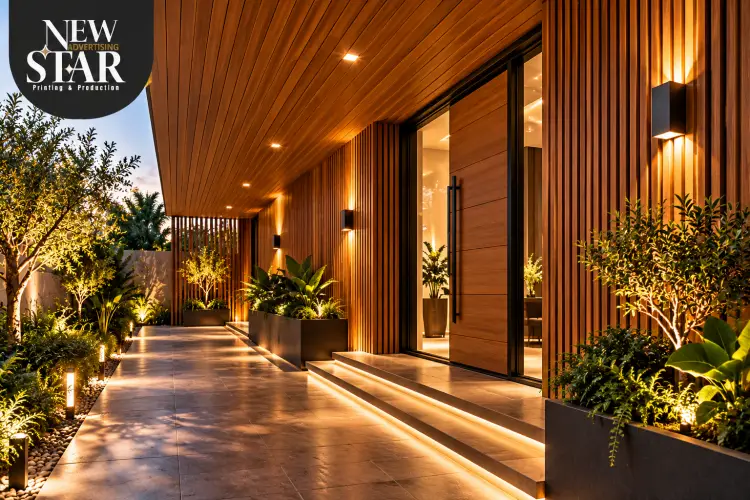
Difference Between Wooden Cladding and Wood-Plastic Composite (WPC)
While wood-look aluminum cladding and WPC share the visual warmth of natural timber, they differ fundamentally in material composition, durability, primary applications, and overall cost. Selecting between them depends on project requirements, exposure conditions, and structural needs.
Wood-Look Aluminum Cladding
Material & Durability: Composed of aluminum composite panels finished with wood-grain patterns. High-performance coatings ensure long-term exterior resistance against weathering.
Application: Excellent choice for exterior building facades, commercial storefronts, Cladding wall exterior projects, and applications requiring high-durability wall coverings that meet fire safety guidelines.
Pricing: The wooden cladding price per square meter for aluminum systems may be higher than some alternative wood solutions due to superior material specifications, structural sub-framing, and long-lasting finishing treatments.
Wood-Plastic Composite (WPC)
Material & Durability: Engineered from a composite blend of wood fibers/flour and thermoplastic polymers, manufactured in various profiles and finishes to replicate natural timber.
Application: Well-suited for Wood cladding wall interiors, decorative wall and ceiling cladding, interior features, pergolas, and semi-outdoor zones. It can also be adapted for residential indoor spaces, such as a stylish Cladding kitchen accent wall.
Pricing: Available across multiple price points and can serve as a cost-effective alternative to aluminum cladding systems depending on grade, density, and installation technique.
If your project requires a resilient exterior envelope built to endure continuous weathering, consider aluminum wood-look cladding with site-appropriate specifications. If you seek wood aesthetics for interior features, wall partitions, or semi-outdoor accents, WPC offers a practical solution. Contact New Star today to evaluate material specs and analyze the overall wooden cladding price for your project.
To plan your budget more effectively, read our detailed guide to cladding cost and learn what affects material and installation costs.
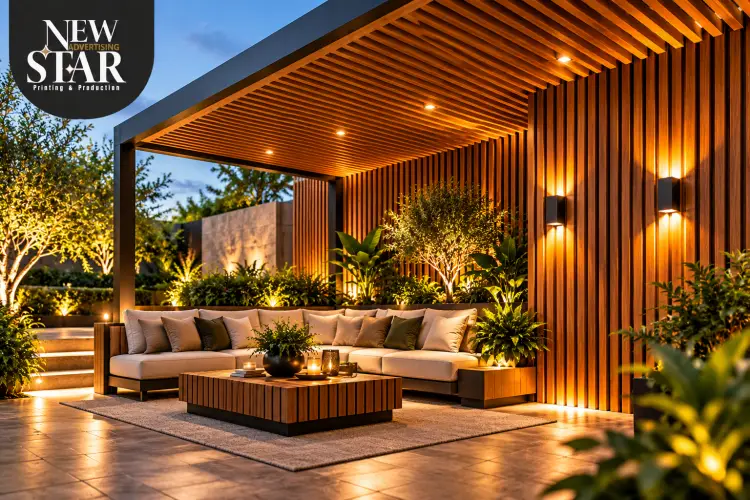
Key Factors Influencing Installation Costs for Wooden Cladding
Installation costs for wood-look cladding differ from traditional cladding panels because final visual quality depends not only on panel attachment, but also on precise craftsmanship, aligned grain direction, and seam integration.
Achieving a seamless wood aesthetic requires proper panel alignment, continuous grain matching, and clean corner finishes. Experienced technicians are essential to ensure a refined facade.
Factors Affecting Installation Complexity
Grain Pattern and Texture Alignment: Wood-look panels feature continuous grain patterns. Proper planning and panel sorting prior to installation prevent mismatched or disjointed appearances.
Precise Cutting and Corner Sealing: Edges and corners demand exact cutting to maintain uniform joint gaps. Complex building angles increase installation time and skilled labor requirements.
Thermal Expansion Joints: Fasteners and expansion joints must be installed according to material guidelines to accommodate thermal movement, particularly on exterior elevations.
Minimizing Material Waste: Detailed layout planning reduces cut-off waste while maintaining grain continuity across large elevations.
The overall wooden cladding price per meter relies on material cost, architectural complexity, surface area, scaffolding requirements, corner trims, and installation systems. Partnering with a skilled installation team ensures long-term performance and aesthetic appeal.
A wood-finish facade serves as a core element of your building’s visual identity. Combining superior materials with precise execution guarantees optimal results. For exact project estimations, request a professional site assessment prior to installation.
Conclusion
Wood-look cladding is a premium architectural choice for projects requiring elegance, natural aesthetics, and long-term durability. Selecting the right option depends on your technical requirements, building location, and budget allocations.
At New Star, we provide end-to-end architectural cladding solutions—from material and color selection to expert design and professional site installation. Contact us today for a consultation, site inspection, and an accurate breakdown of the wooden cladding price for your building.
Frequently Asked Questions (FAQ)
Does wood-look cladding fade under direct sunlight?
No, provided it utilizes PVDF coatings designed specifically for exterior facades to resist UV radiation and harsh weather conditions. PE-coated panels are intended primarily for indoor or shaded applications and may show wear if exposed directly to prolonged sunlight.
Can cladding be installed directly onto brick walls?
No, cladding requires a properly anchored underlying metal framing sub-structure (chassis). Panels are then secured to this frame to ensure structural alignment, flat surfaces, and proper ventilation.
How do I calculate total cost for a 50-square-meter facade?
Total costs depend on panel surface area, selected panel specifications, metal sub-framing, labor fees, material waste allowances, trim pieces, and scaffolding requirements. Comparing these factors against the base Exterior wooden cladding price gives a foundational estimate, with final pricing confirmed after an on-site inspection.
Would you like me to refine the formatting into a ready-to-publish HTML/WordPress layout, or help you generate matching Meta Titles and Meta Descriptions for this article?